Piece trades and study notebooks
Deciding which pieces to swap, then keeping the positions that taught you something so you can find them again.
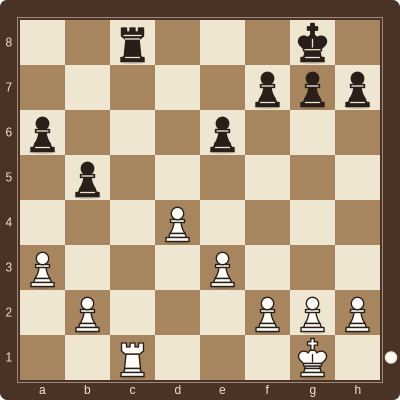
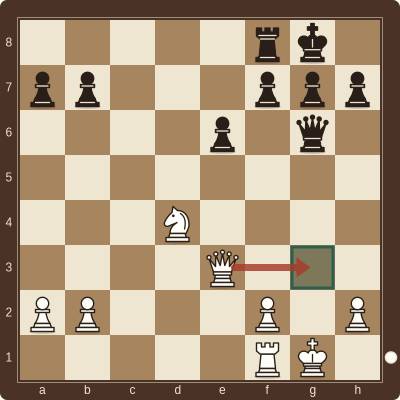
Should you swap? Five questions before a trade
Five questions to ask before a piece swap: what stays, whose king is safer, who needs room, which pawns change and whose piece is busier.
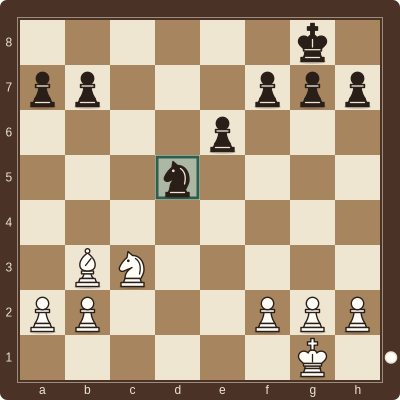
Counting pieces: a first check, not a verdict
Learn the 1, 3, 3, 5, 9 count, add up captures move by move, compare a rook with two minor pieces and see when activity beats the numbers.
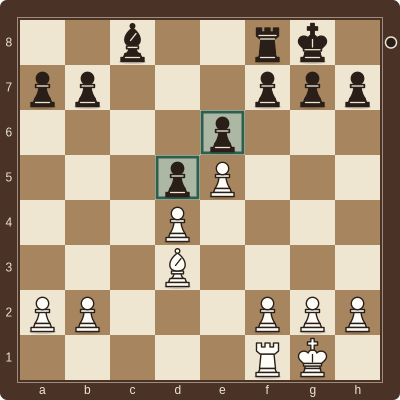
Which bishop should leave the board?
A bad bishop shares the color of its own pawns. Read the pawn colors, trade your weak bishop and leave your opponent's weak one where it is.
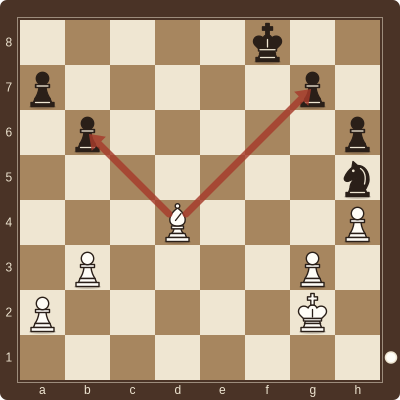
Let the pawns choose your minor piece
Open boards tend to favor bishops, locked boards and outposts favor knights. Use the pawn structure to decide which minor piece to keep.
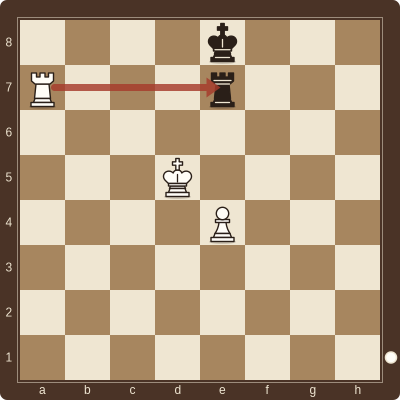
Before the last piece leaves, count the pawn ending
The last piece swap cannot be undone. Check who moves, where the kings stand and which pawns can run, with swaps that win and swaps that only draw.
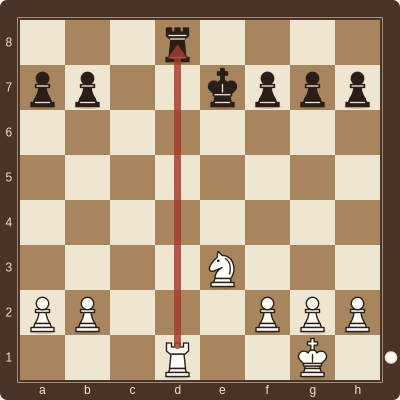
Ahead in material? Swap pieces and stay careful
Turn a lead into a clean win: swap pieces rather than pawns, keep enough pawns, watch stalemate and counterplay, and beware opposite bishops.
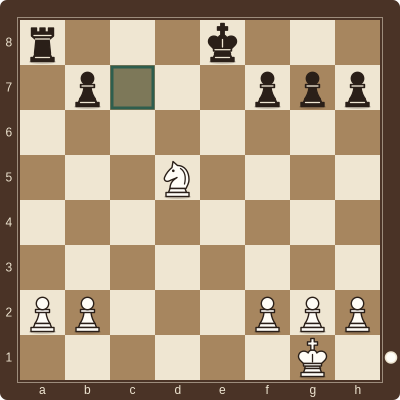
Building a notebook of positions that taught you
Keep only the positions that taught you something, with a title, a short note, tags and side to move, and back up the FEN text of your notebook.
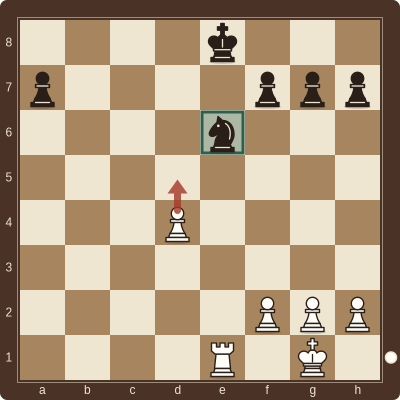
Tags and review dates for your chess positions
Use a few tags for idea, phase and result, review with the note covered, widen the gaps between reviews and retire the positions you know well.
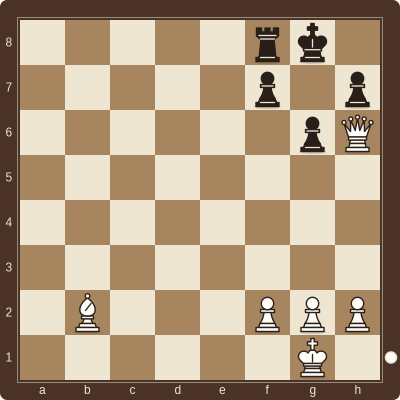
Making a chess worksheet for a class or club
Make a clear chess worksheet: one question per diagram, side to move shown, an answer key, printing to paper or PDF and a check of every board.